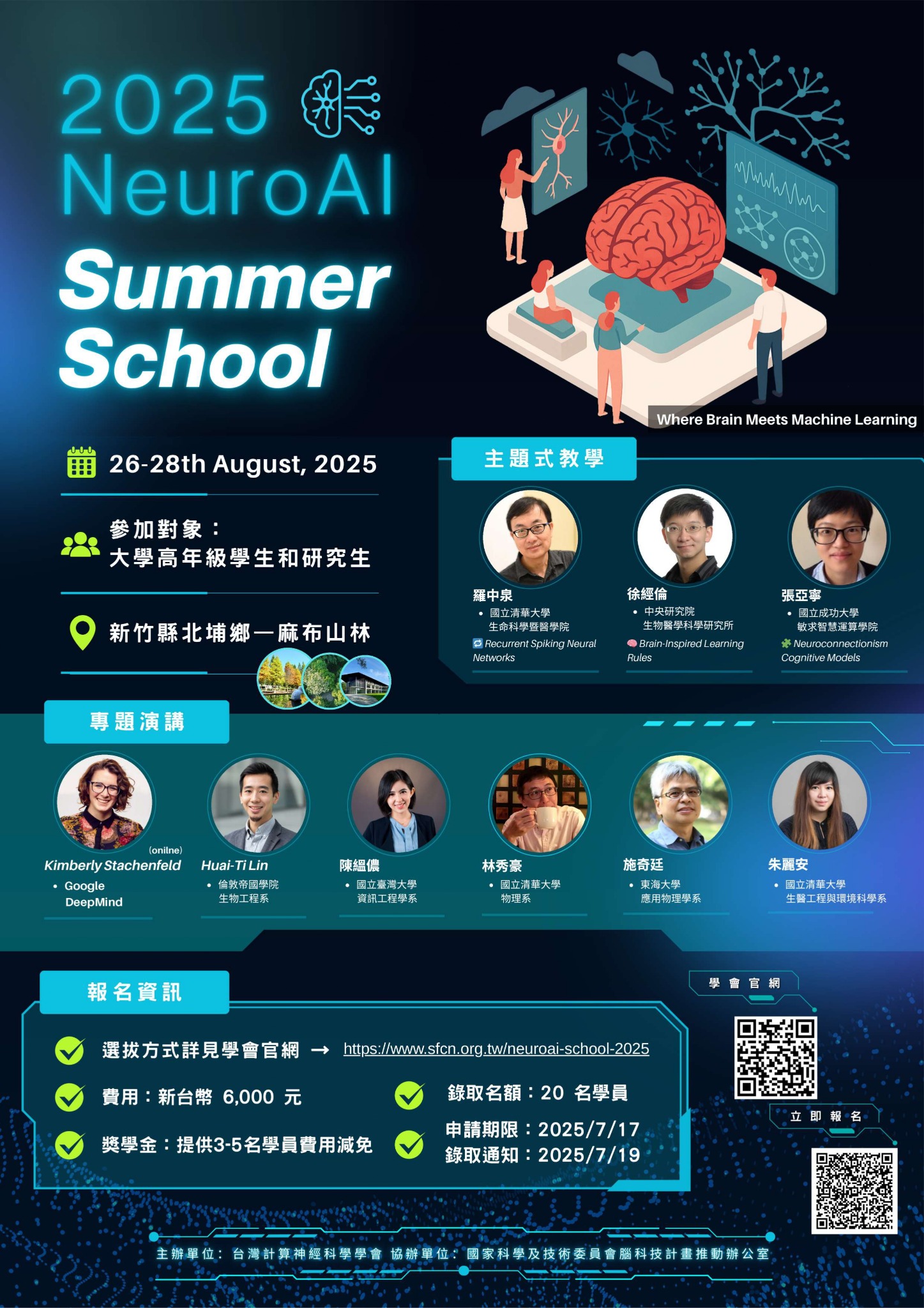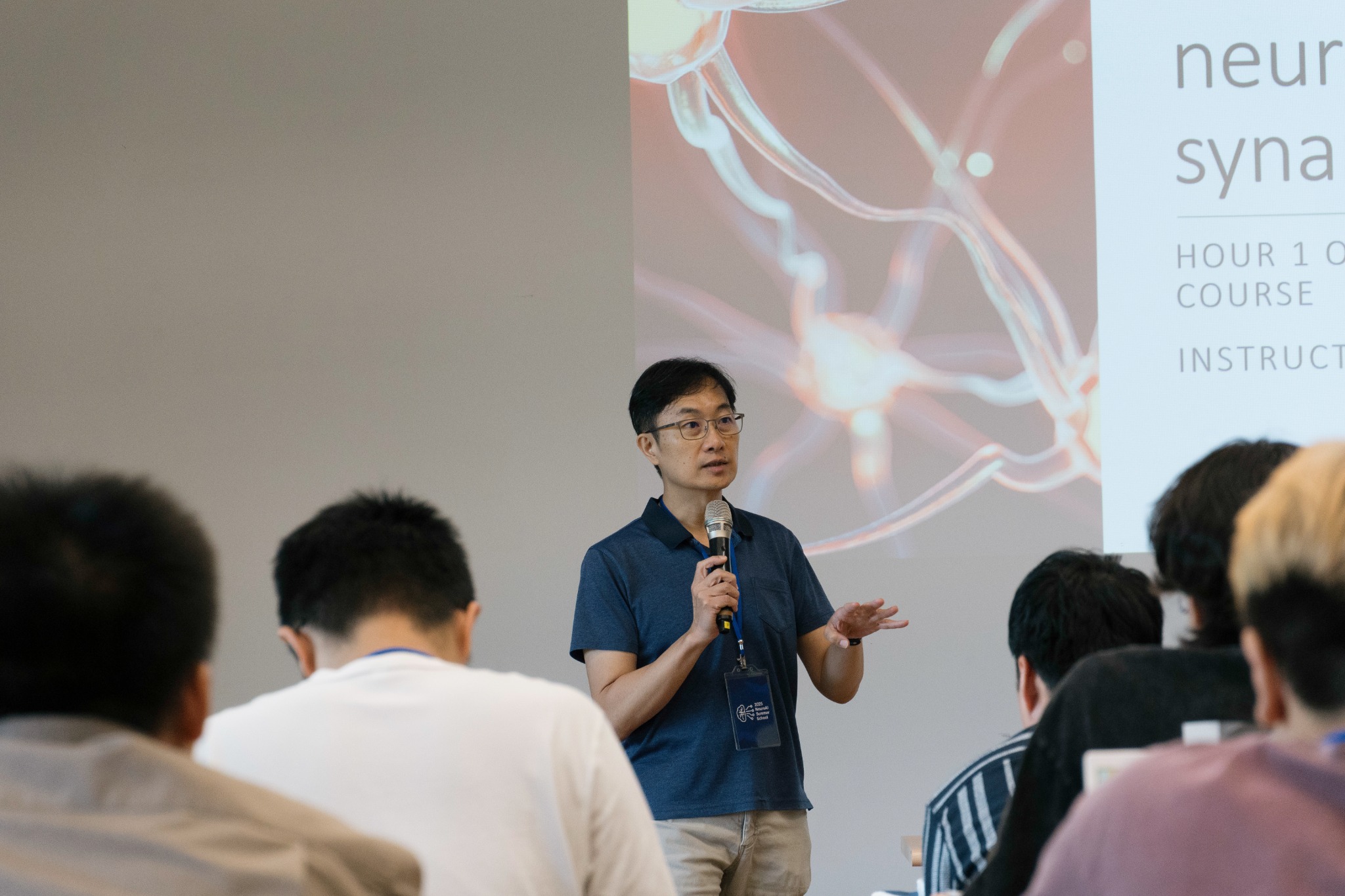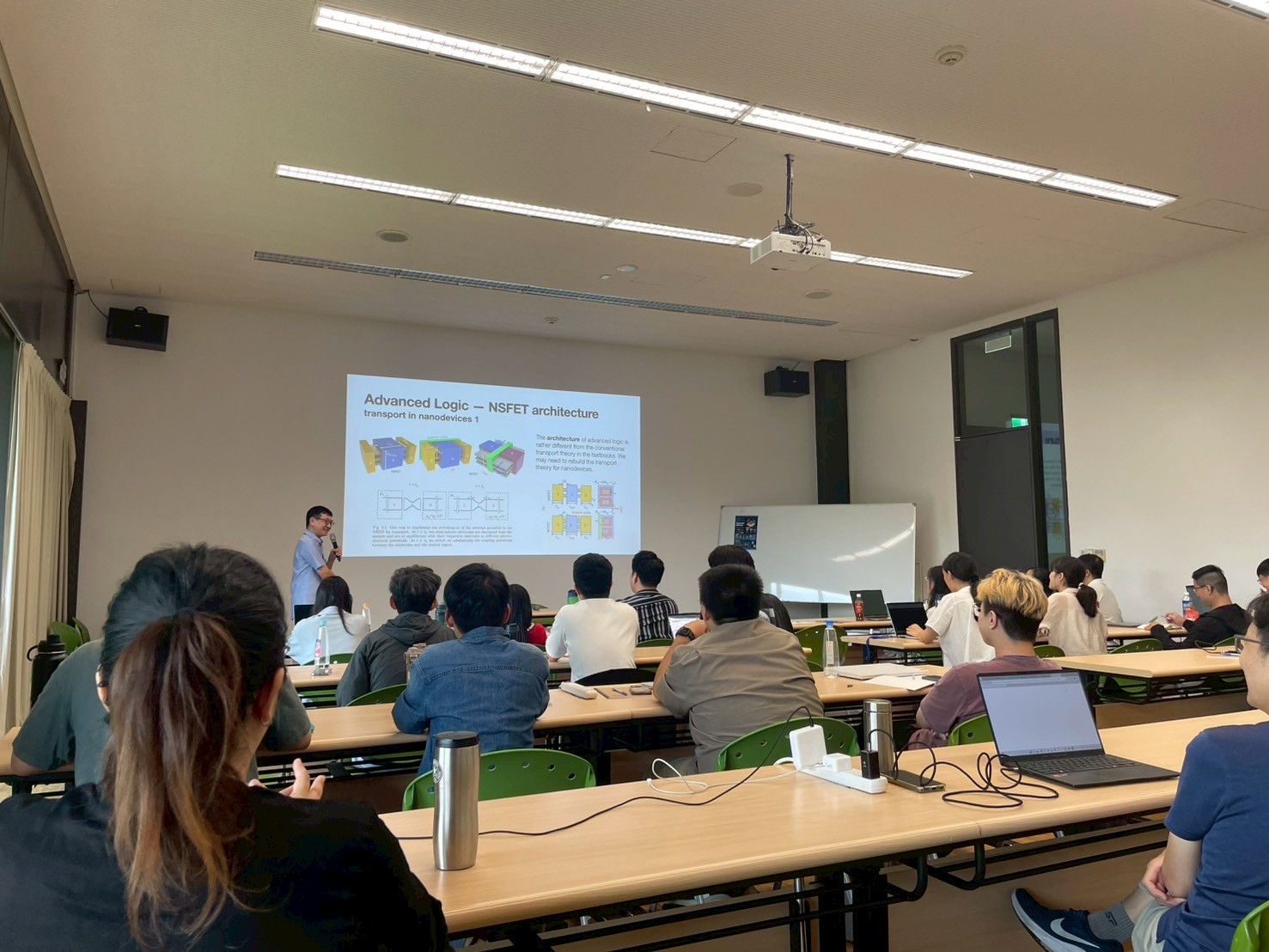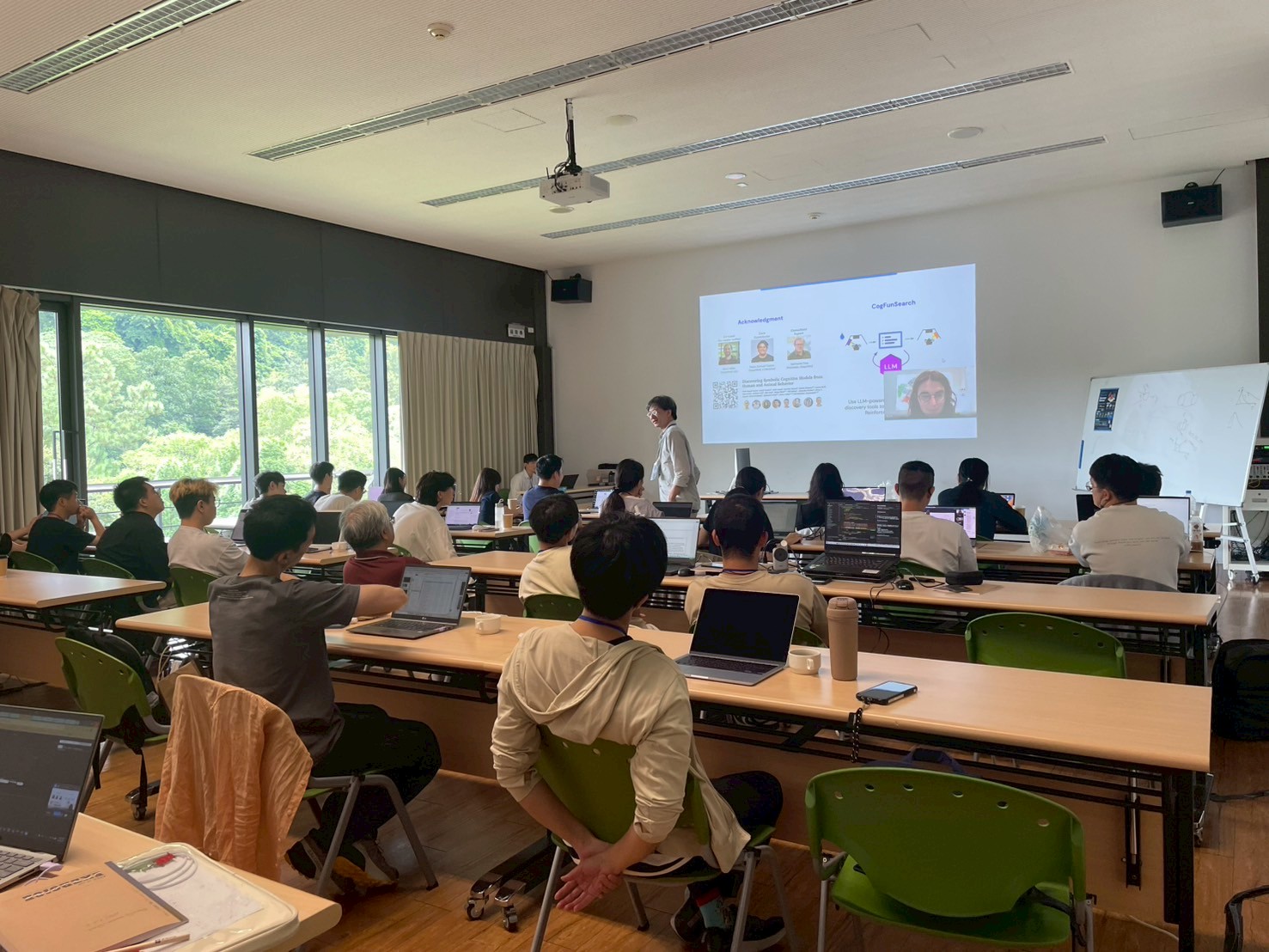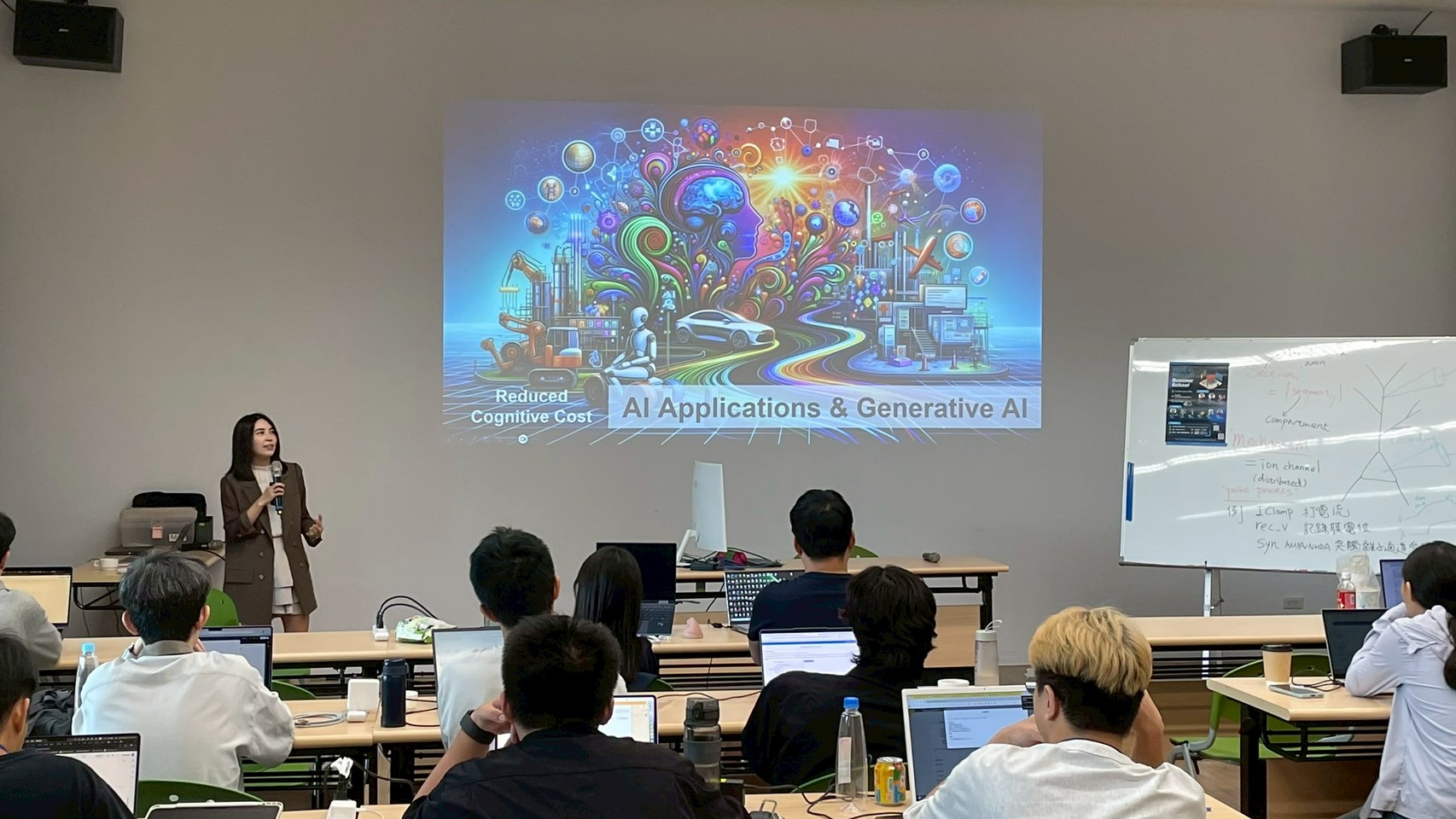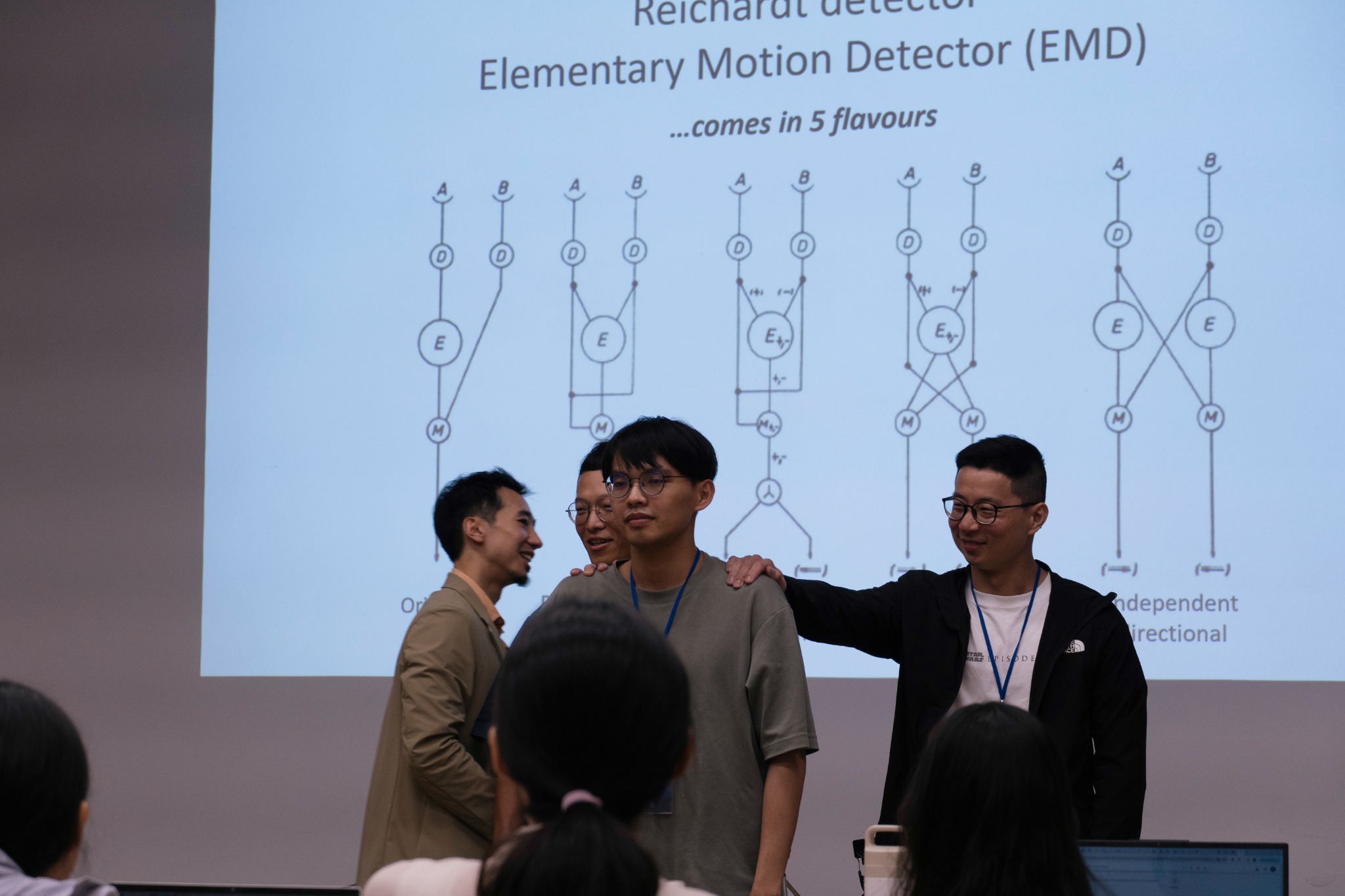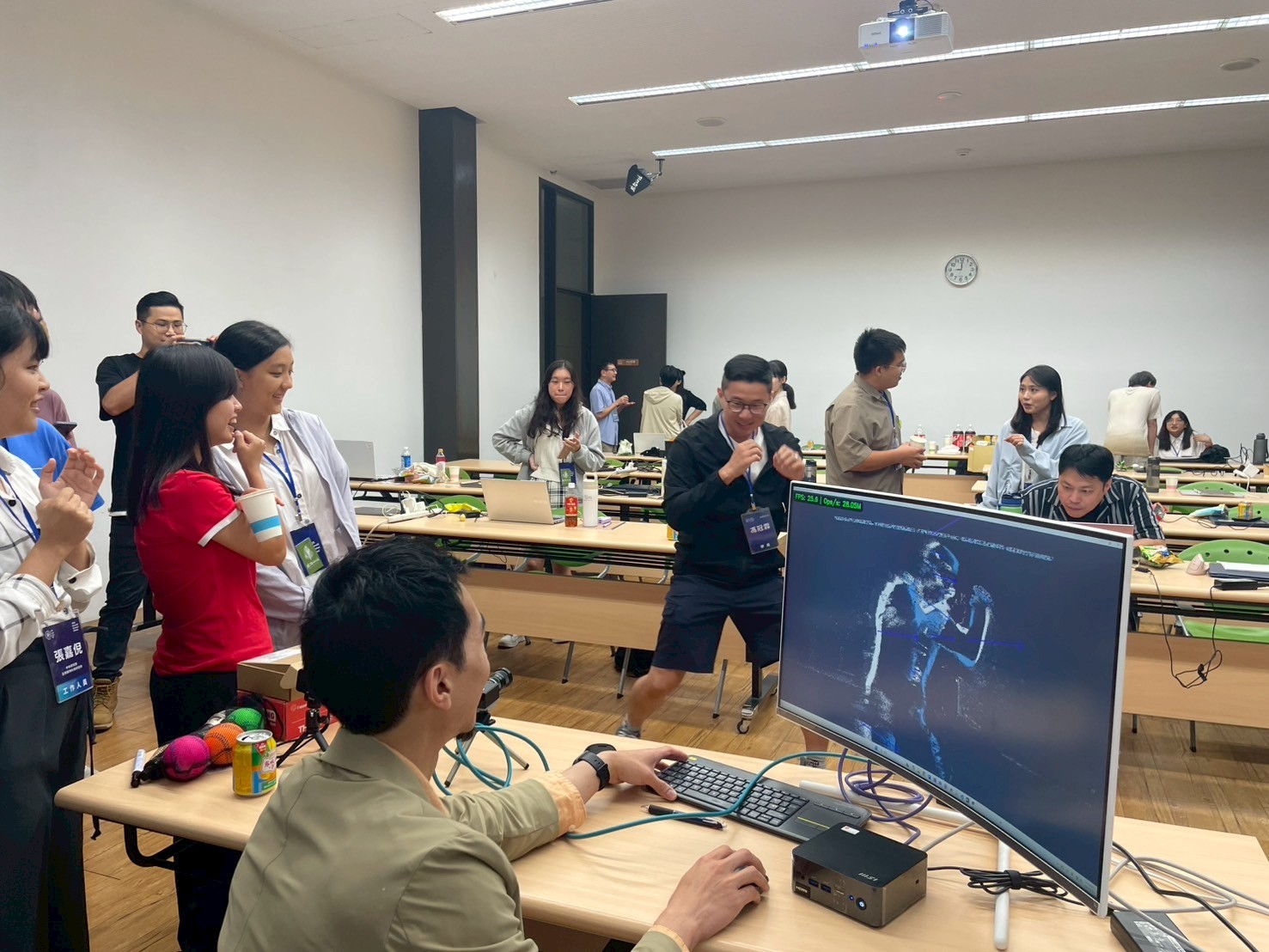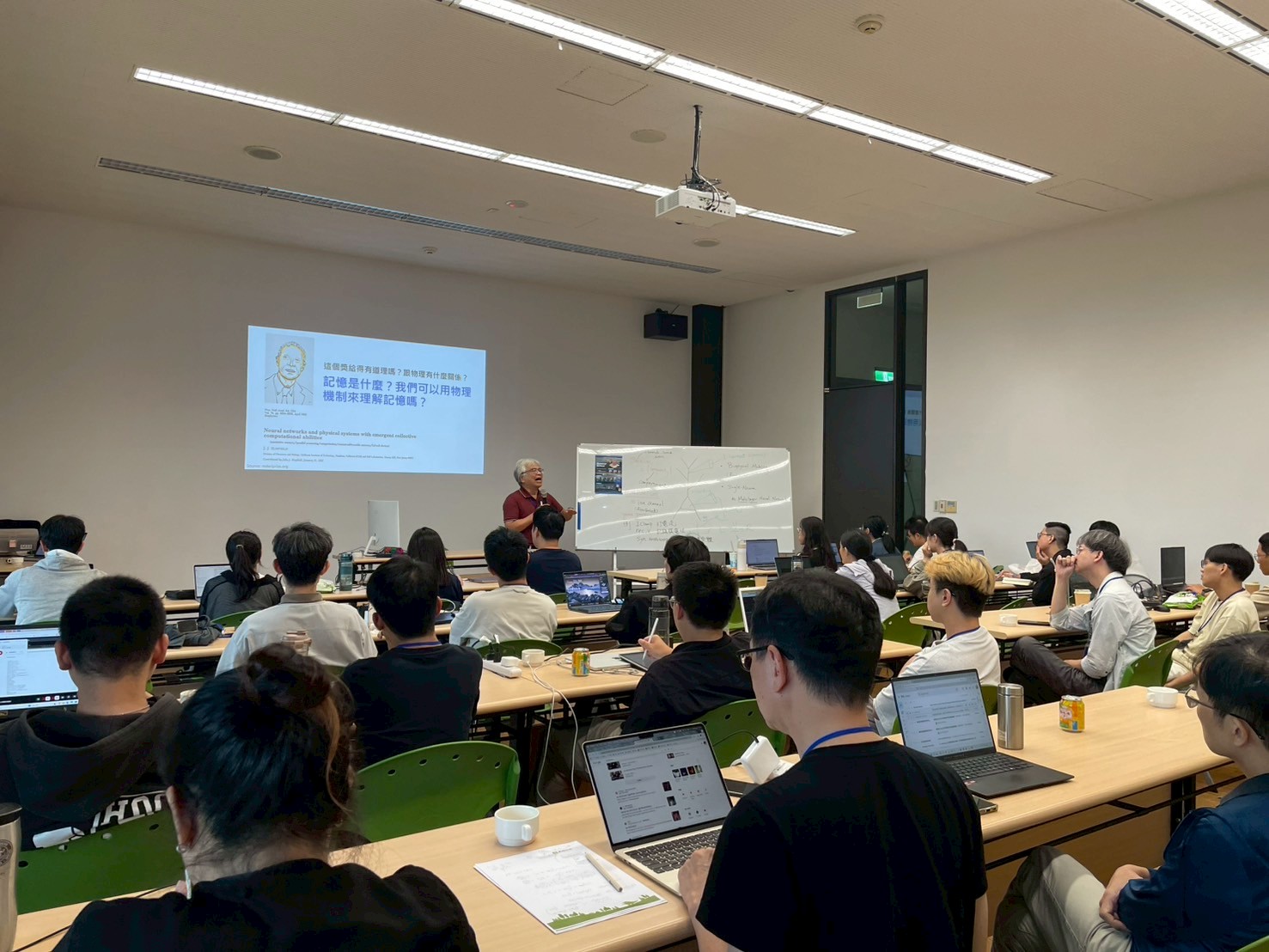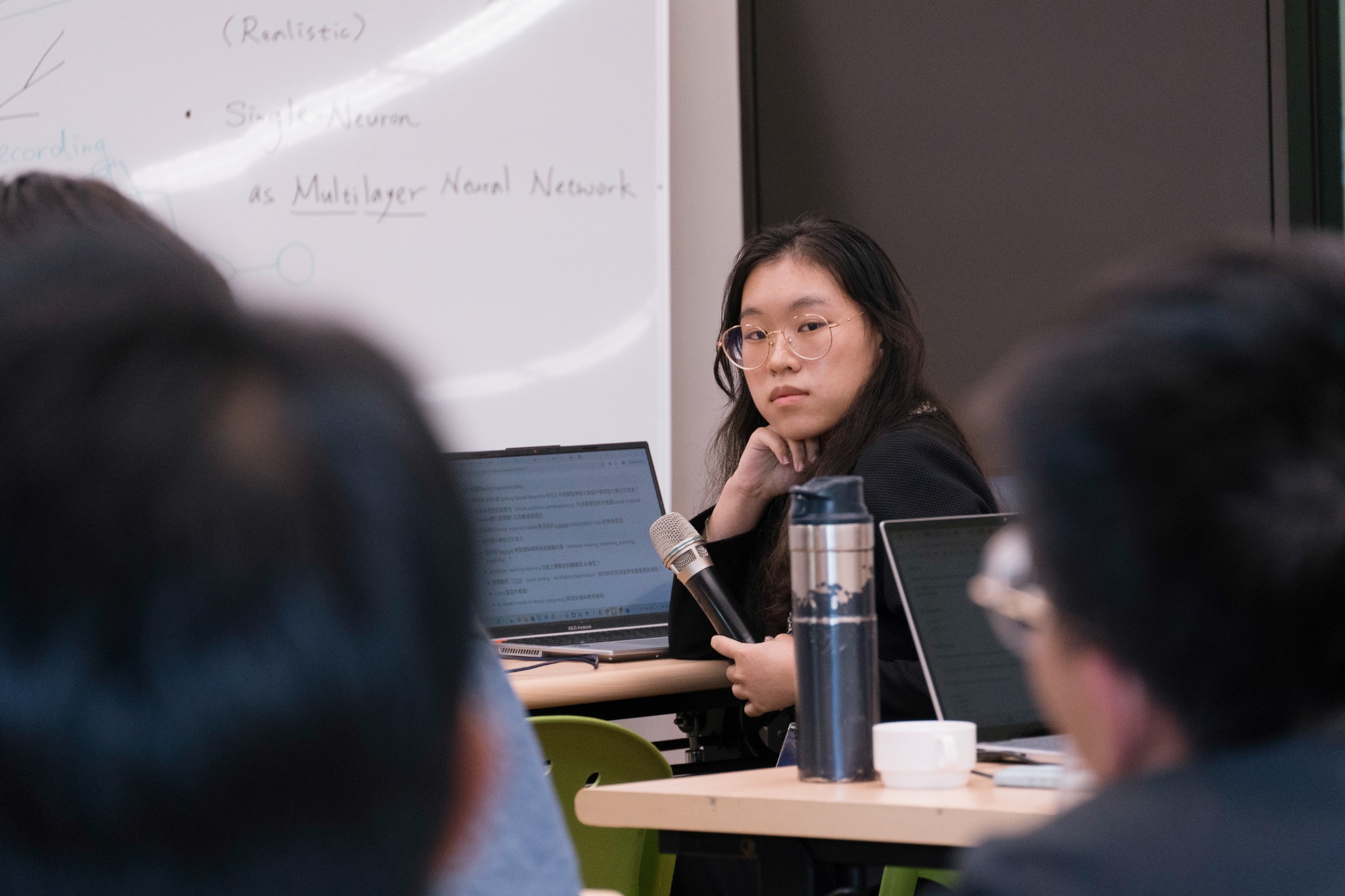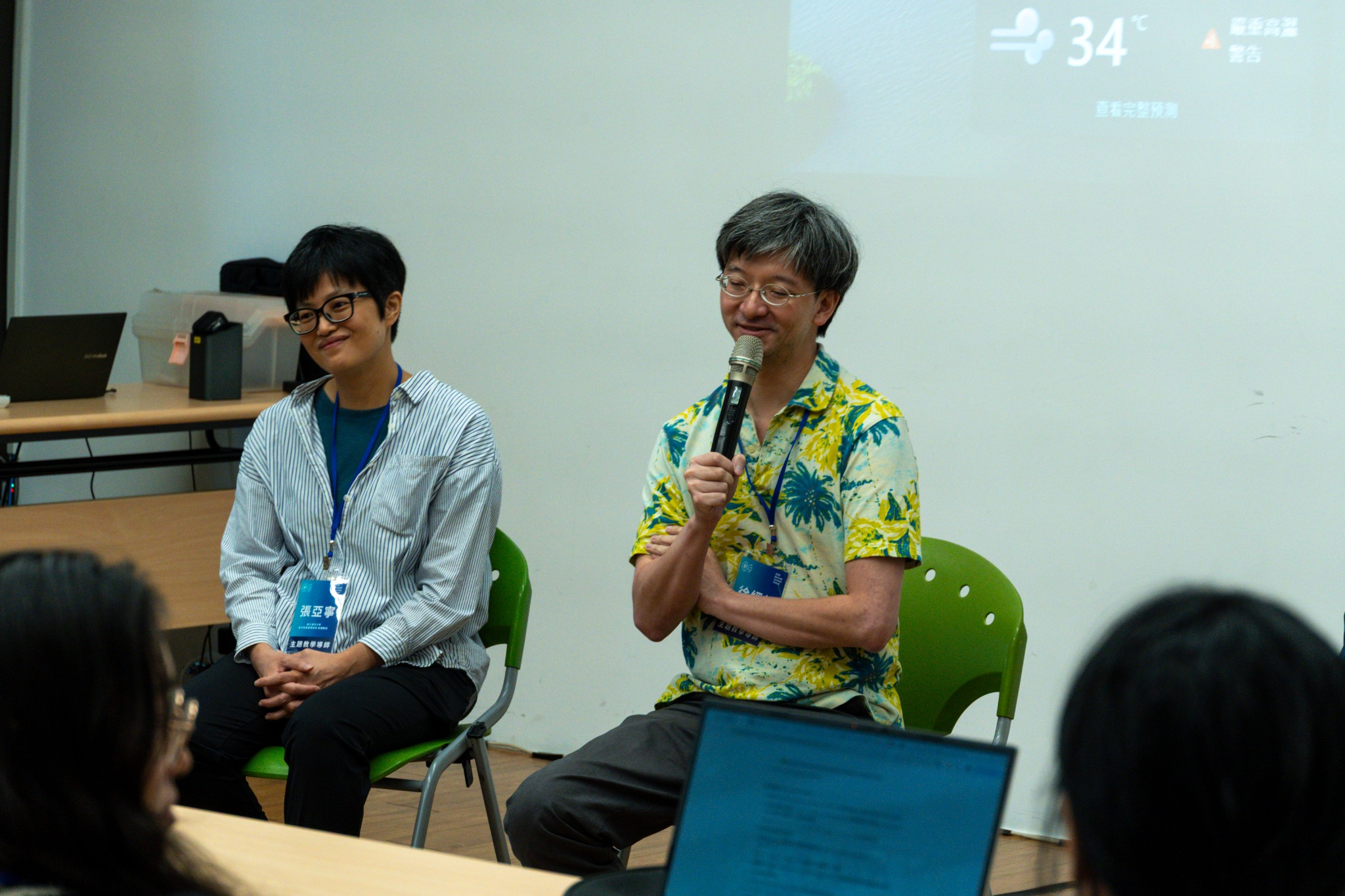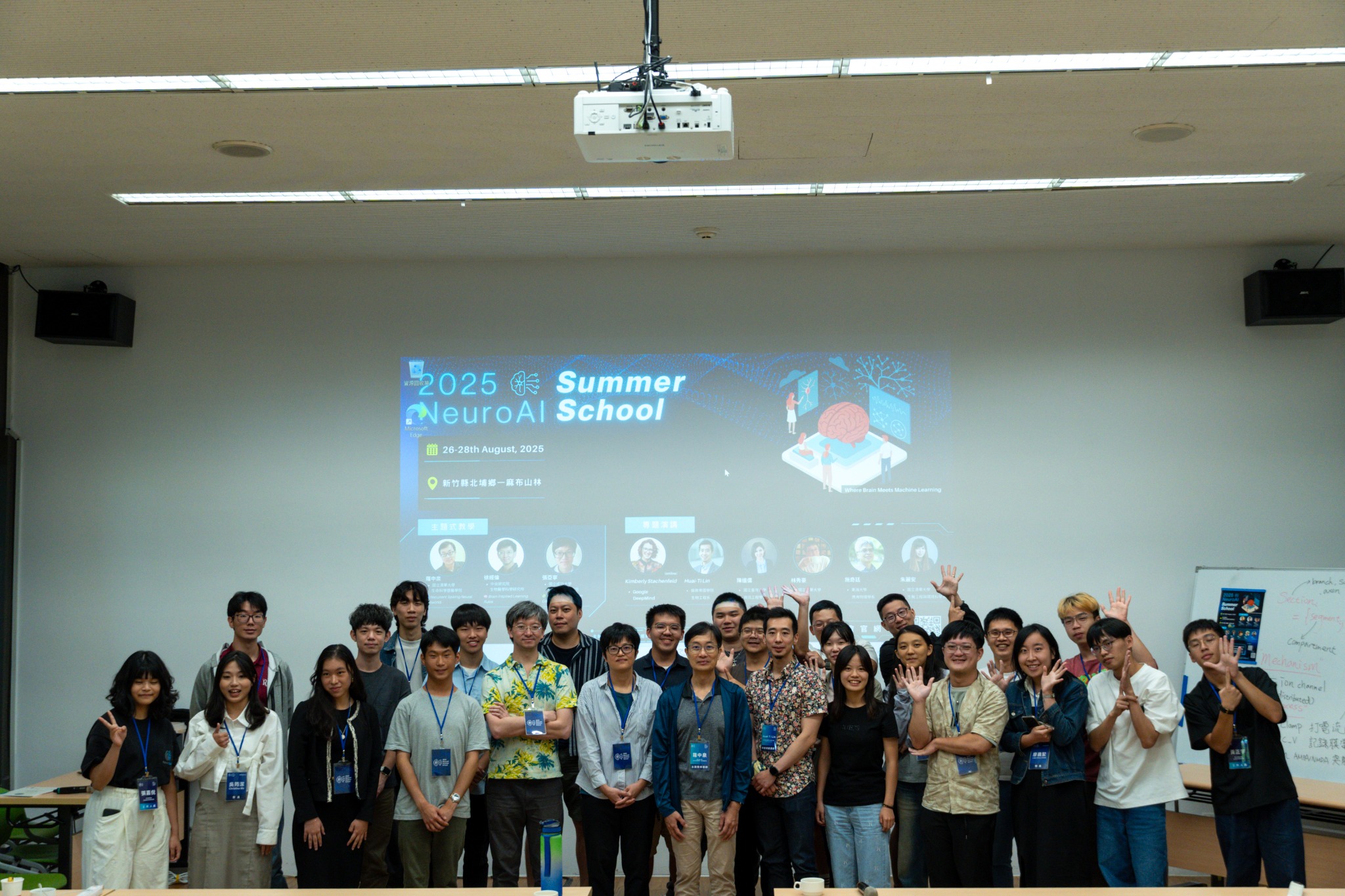
「腦科技創新研發及應用計畫」辦理 2025 NeuroAI Summer School,旨在回應現代人工智慧與神經科學領域逐漸分化的現象,重新建立跨領域對話與合作之基礎。面對以大模型為主流的人工智慧發展以及腦科學研究的快速擴張,本次活動希望為國內基礎科學與應用研究提供新的切入點與整合方向。 The 2025 NeuroAI Summer School was organized under the Brain Technology Innovation Research and Application Program to respond to the increasing separation between modern artificial intelligence and neuroscience. As large-scale AI models continue to shape the development of artificial intelligence and brain science research expands rapidly, the program aimed to rebuild a foundation for interdisciplinary dialogue and collaboration, while offering new perspectives for basic and applied research in Taiwan.
本次課程設計以跨領域交流為核心,聚焦於分散式計算、學習理論與控制機制等概念,協助學員理解其在科學、工程與神經系統中的共同原理。透過主題式教學、專題演講、實作課程與討論交流,活動引導學員從神經系統、人工智慧與工程系統等不同角度理解 NeuroAI 的研究脈絡與應用潛力。 The curriculum centered on interdisciplinary exchange and focused on concepts such as distributed computation, learning theory, and control mechanisms. It helped participants understand shared principles across science, engineering, and neural systems. Through thematic teaching, keynote lectures, hands-on sessions, and group discussions, the program guided participants to examine NeuroAI from the perspectives of neural systems, artificial intelligence, and engineering systems.
本次活動成功促進人工智慧與神經科學社群之間的實質交流,讓原本分屬不同研究脈絡的學員與講者得以在共同討論與互動中建立對話基礎,回應長期以來兩領域各自發展、缺乏有效溝通的狀況。透過課程與討論設計,活動有效打破學科分野,促進不同研究背景之間的理解與交流。 The program successfully promoted substantive exchange between the artificial intelligence and neuroscience communities. Participants and lecturers from different research backgrounds were able to establish a shared basis for dialogue through discussion and interaction. By integrating course design with active discussion, the program helped bridge disciplinary boundaries and strengthen mutual understanding across research fields.
在學術內容上,本次活動聚焦分散式計算、學習與控制等核心概念,並從神經系統、人工智慧與工程系統等不同角度加以對照與說明,協助學員掌握其通用理論與跨領域意涵,提升將抽象理論轉化為研究問題與方法的能力,為後續投入 NeuroAI 相關研究建立共同的概念基礎。 Academically, the program focused on core concepts such as distributed computation, learning, and control. These concepts were compared and explained from the perspectives of neural systems, artificial intelligence, and engineering systems. This helped participants understand their broader theoretical significance and interdisciplinary implications, while strengthening their ability to translate abstract concepts into concrete research questions and methods.
透過本次活動串聯來自不同學校與領域的研究者與青年學員,促進科學家與技術專家之間的深度互動,逐步形成具延續性的跨領域交流網絡。活動不僅培養學員的跨領域思維,也為後續研究合作與社群發展奠定長期基礎,持續推動國內 NeuroAI 領域的發展。 By bringing together researchers and young participants from different institutions and fields, the program fostered in-depth interaction between scientists and technical experts, gradually forming a sustainable interdisciplinary network. It not only cultivated interdisciplinary thinking among participants, but also laid a long-term foundation for future research collaboration and community development in Taiwan’s NeuroAI field.